


Quick answer
Richmond Park is worth visiting if you want accessible wildlife encounters, historic landscapes, or green space without admission fees. The park holds 630 red and fallow deer that roam freely year-round, ancient oak pollards dating to the 1600s, and the Isabella Plantation's curated woodland garden. Entry is free, gates stay open 24 hours, and early morning arrivals between 07:00 and 10:00 offer the clearest deer sightings and fewest crowds.
Richmond Park protects the largest enclosed deer herd in any European capital. Six hundred and thirty red and fallow deer descend from stock introduced when Charles I designated the land a royal hunting ground in 1637, and contemporary herds retain the right to graze across all 2,500 acres without fencing or enclosure. Visitors encounter deer at close range on footpaths, beside Pen Ponds, and throughout the grassland zones that comprise two-thirds of the park's area. The landscape combines medieval field patterns, veteran trees, and designed viewpoints. Ancient oak pollards—some exceeding 750 years—cluster near Bishops Pond and along the Tamsin Trail, their gnarled limbs marking boundaries set before the park's enclosure. King Henry's Mound offers a protected sightline to St Paul's Cathedral ten miles east, a viewing corridor preserved by planning law since 1710. The Isabella Plantation occupies 40 acres of Victorian woodland garden within the larger reserve, with azaleas, rhododendrons, and four ponds fed by the Beverley Brook. Whether visiting Richmond Park justifies your time depends on what you prioritise. Wildlife photographers and families with young children find value in guaranteed deer sightings and open meadows for play. Cyclists and distance walkers use the seven-mile perimeter road and interior bridleways for training loops. The park holds no cafés inside the main reserve, no playgrounds, and no formal interpretation centres—amenities cluster near Pembroke Lodge and Roehampton Gate instead. If your London visit focuses on museum collections, shopping districts, or nightlife, the park's distance from central hubs and emphasis on natural observation may not align with your itinerary. Crowds peak on weekend afternoons between April and September, when car parks at Richmond and Kingston gates fill by midday. Weekday mornings and autumn visits reduce congestion, while rutting season in September and October brings the most dramatic deer behaviour. The park's open-access model means no tickets, no timed slots, and no capacity limits—arrival timing affects experience quality more than advance planning. For visitors prioritising outdoor space, historic conservation, and free admission, Richmond Park delivers consistent value across all seasons.
“Six hundred and thirty red and fallow deer descend from stock introduced when Charles I designated the land a royal hunting ground in 1637.”
Why Is Richmond Park Worth Visiting: Entry Fees and Admission
Richmond Park operates as a public space managed by The Royal Parks, meaning access remains open to the public without charge. Visitors do not require tickets to enter the grounds.
A typical adult pays 0 GBP for entry, as there are no admission fees or ticketed areas within the park.
When Is Richmond Park Worth Visiting: Timing Your Arrival
The best arrival window is 07:00–10:00 to avoid weekend crowds and secure the best light for wildlife photography. Arriving early provides the quietest experience across all seasons.
Weekday mornings
Minimal—
These times offer the highest tranquility for observing deer herds without large groups.
Spring (April-May)
ModerateMild temperatures 10°C to 18°C
Flowers bloom and fawns begin to appear in the park.
Autumn (October)
ModerateCooler air 8°C to 15°C
The rutting season occurs, making this a significant time for wildlife observation.
Weekend afternoons
Heavy—
Visitor density reaches its peak, often complicating parking and path navigation.
Verdict: For the quietest visit, arrive between 07:00–10:00 on a weekday during April or October.
Is Richmond Park Worth Visiting at Any Time: Operating Hours
Richmond Park remains accessible to visitors throughout the entire week. The park operates on a continuous schedule, allowing for public access at all hours.
| Monday | 00:00–23:59 | |
|---|---|---|
| Tuesday | 00:00–23:59 | |
| Wednesday | 00:00–23:59 | |
| Thursday | 00:00–23:59 | |
| Friday | 00:00–23:59 | |
| Saturday | 00:00–23:59 | |
| Sunday | 00:00–23:59 |
Top Reasons Is Richmond Park Worth Visiting: Named Areas and Landscapes
Richmond Park offers diverse landscapes ranging from ancient woodlands to ornamental gardens. These designated areas provide focal points for exploring the park's extensive 2,500 acres.
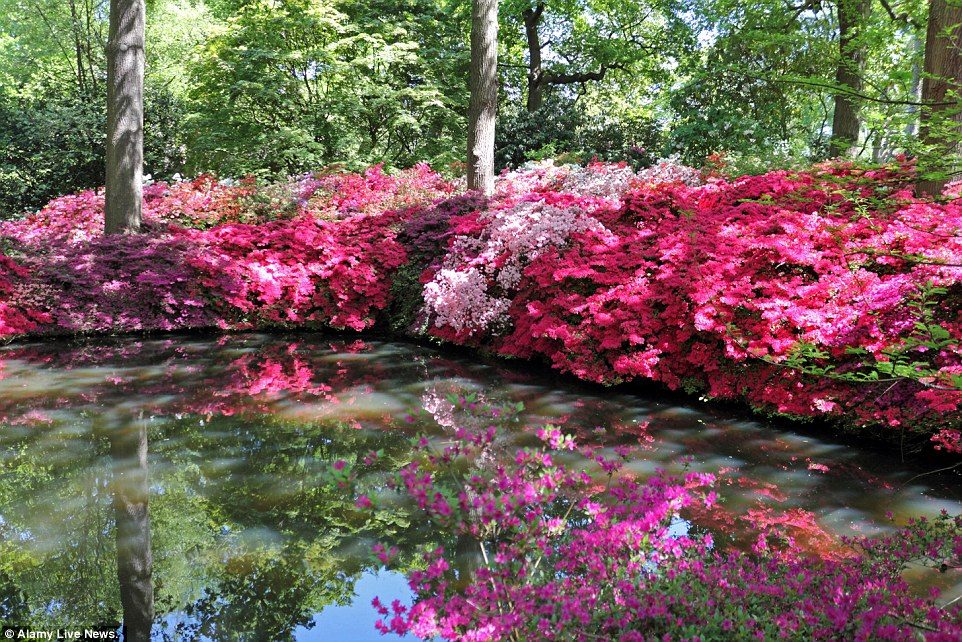
Isabella Plantation
This 40-acre woodland garden features streams, ponds, and extensive collections of rhododendrons and azaleas. It provides a distinct, managed landscape contrasting with the surrounding wild parkland.
Visit in late spring when the azaleas are in full bloom.
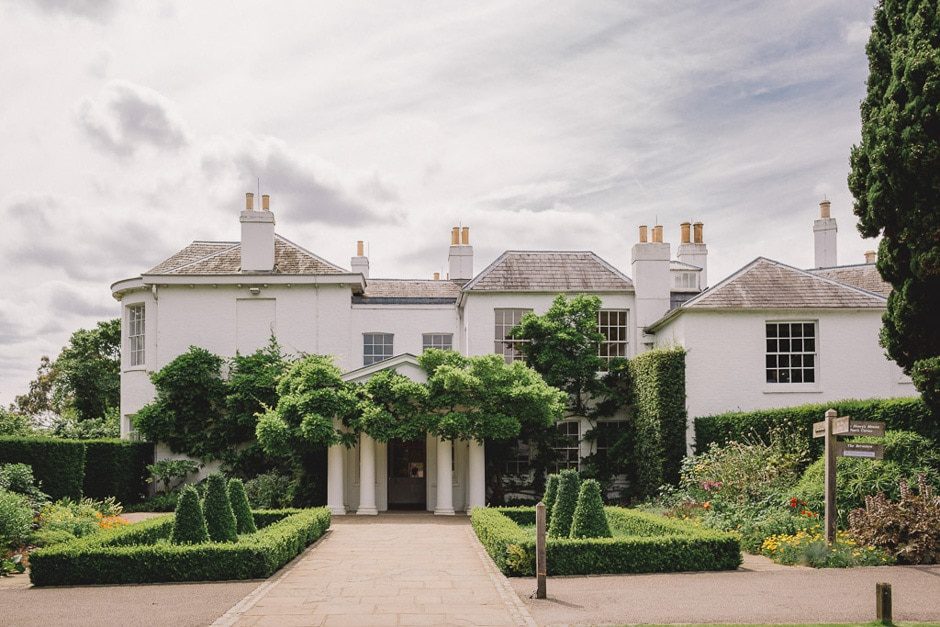
Pembroke Lodge
A Georgian mansion located at the highest point of the park, currently serving as a cafe and meeting space. The site includes the King Henry’s Mound, which offers a protected view of St Paul’s Cathedral.
Walk to King Henry's Mound to view St Paul's Cathedral.

Deer Herds
Red and fallow deer have roamed freely within the park boundaries since 1637. Observation of these herds is possible throughout the park, particularly in the quieter, wooded sections.
Maintain a distance of 50 meters from all deer herds.
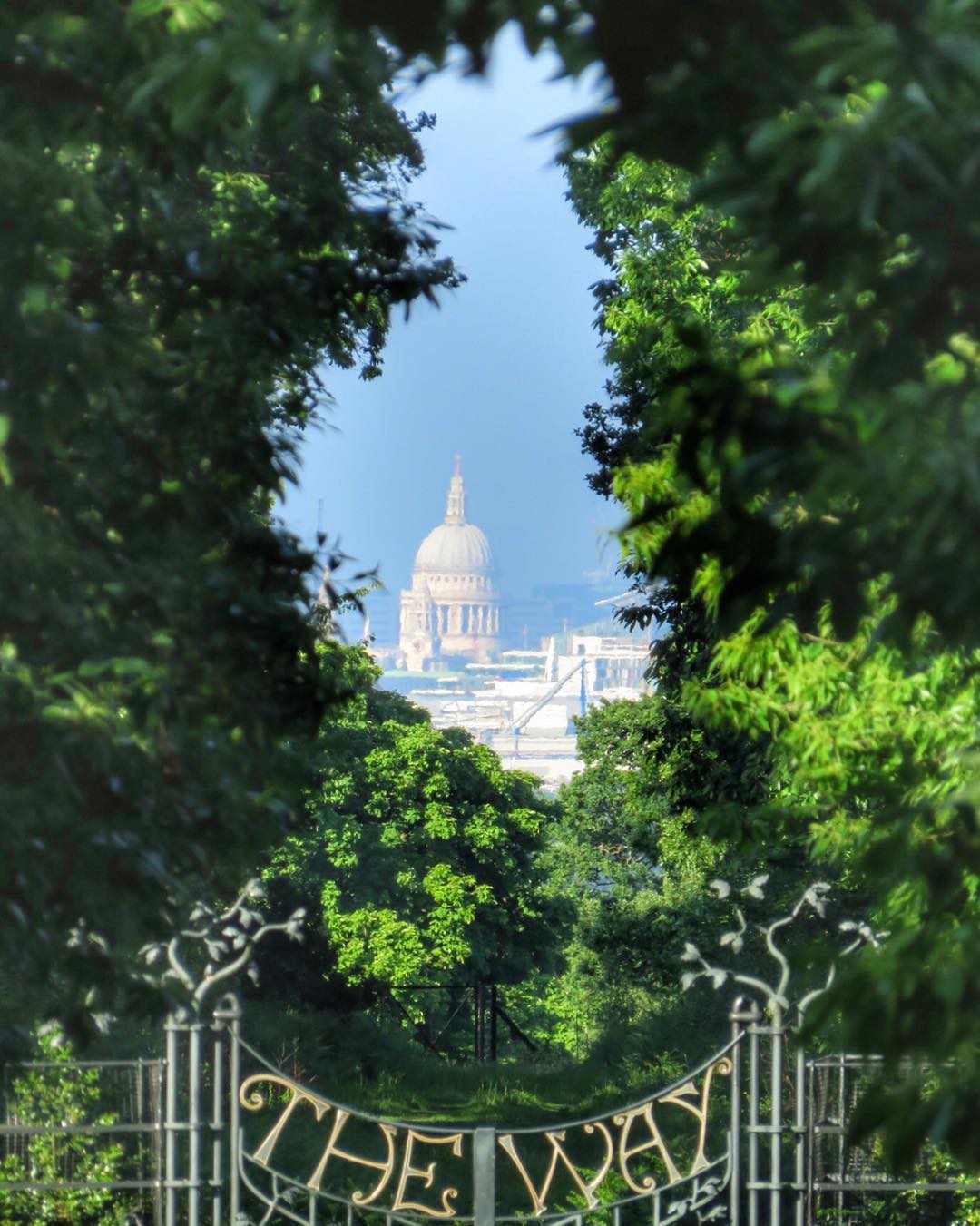
King Henry's Mound
This historic viewing point is situated within the grounds of Pembroke Lodge. It serves as a designated vista point toward central London.
Use the telescope provided to frame the cathedral view.
How To Reach Richmond Park: Is Richmond Park Worth Visiting For A Day Trip?
Richmond Park is located at Richmond Park, Richmond, London, TW10 5HS, United Kingdom. It is accessible via various public transport links and road routes from central London.
South Western Railway to Richmond Station
District Line to Richmond Station
Route 371 or 65 to-from Richmond Station
A3 or A308 to park gates
Direct to Richmond Park gates
Common Mistakes to Avoid When Deciding Is Richmond Park Worth Visiting
Richmond Park's sheer scale and protected wildlife population create a few predictable pitfalls for first-time visitors. Most are easily avoided with a little advance planning.
Approaching the deer too closely for photos
The deer are wild and can be aggressive, especially during rutting season (September–November). Keep at least 50 metres away and never attempt to feed or touch them.
Underestimating walking distances between park features
The park covers 2,500 acres—much larger than it appears on a map. Plan your route in advance and allow extra time, or consider cycling to cover more ground efficiently.
Visiting only the main car park area
Most crowds cluster near Pembroke Lodge and the main gates. Walk deeper into the park toward less accessible areas like Pen Ponds or Isabella Plantation for a quieter, more immersive experience.
Ignoring seasonal closure notices for protected areas
Certain sections close temporarily during breeding or conservation periods. Check the official Royal Parks website before visiting to avoid disappointment and respect protected zones.
Leaving dogs off-lead near wildlife
Dogs must be kept on leads during deer birthing season (May–July) and are prohibited in certain conservation areas year-round. Failure to comply can result in fines and endangers both wildlife and pets.
Check availability
Common questions about visiting Richmond Park
Everything you need to know about is richmond park worth visiting